

· 6 min read
Can You Stay at Home During a Renovation? Phasing and Temporary Set-ups
Some renovations can run while you live in the house, others can't. Which jobs mean moving out, how phasing works, temporary kitchens and bathrooms, dust and safety.
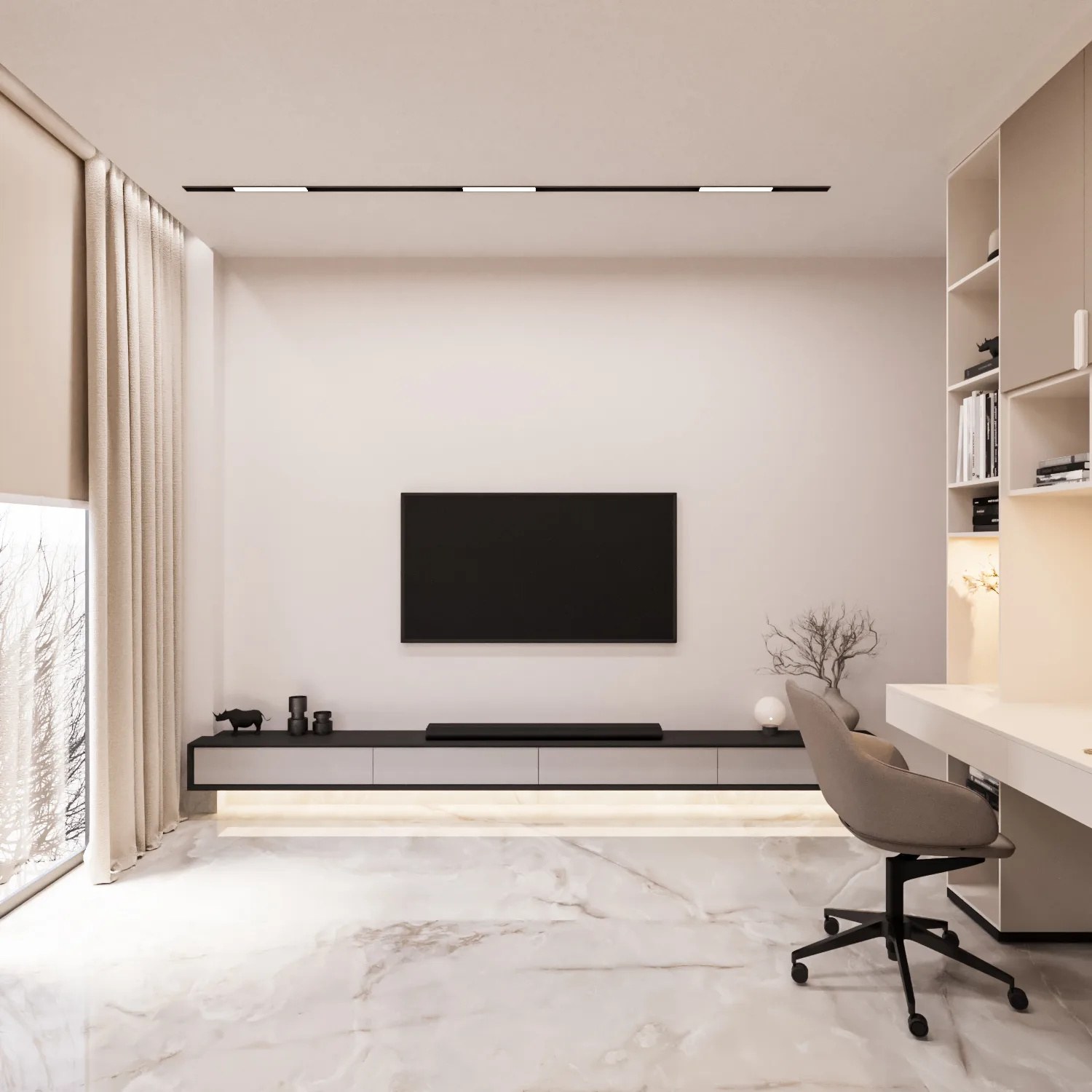
Once owners decide to renovate, the question that comes straight after the budget is usually this: where will we live while the work is going on? The answer lies in the scope. Repainting one room and replacing the plumbing in the whole house call for very different arrangements. We have learned from our experience on site that whether to stay or move out is a planning decision that belongs at the very start, alongside the work programme; left to the last minute, it slows the job down and wears everyone out.
1. Which jobs mean moving out?
Some work is either impossible or not advisable in an occupied house:
- Replumbing or rewiring the whole house: water and power are off for long stretches, and walls and floors are opened up.
- Replacing all the floors: while old finishes are lifted and new screeds laid and dried, most of the house is out of use.
- Heavy demolition: fine dust and noise reach every room.
- Renovating the only bathroom, or doing the kitchen and bathroom at the same time.
- Strong-smelling stages: the days when certain paints, varnishes and adhesives are applied and cure.
On the other hand, one room, a second bathroom, new wardrobes, new lighting or painting room by room can usually be done while you live in the house, with good organisation.
2. Phasing: room by room or floor by floor?
If moving out is not an option, the work is split into phases. In a two-storey house or villa you can live on one floor while work goes on the other; in an apartment, the job moves room by room. Our phasing rules:
- Services first: work that affects the whole house, such as main pipe runs or the electrical board, is done in one go, ideally in a short period when the house is empty.
- Dirty work before clean work: no painting or furniture fitting until demolition, chasing and screeding are finished.
- Each phase is closed off: a finished room is cleaned and handed back before the next one starts.
Phasing has a cost: the overall programme gets longer and some set-up work is repeated. So at the site survey we put the "all at once" and "phased" options side by side. The surprises that make phasing harder in older homes are covered in our article on common mistakes when renovating an old apartment, and for larger houses see renovating an older villa.
3. A temporary kitchen and bathroom
While the kitchen is being redone, what you miss most is the daily routine of meals and washing-up. A small temporary kitchen in another room makes this much easier: the fridge, a small hob or microwave, a worktop and a water point nearby for the dishes. If the plumbing and walls are staying where they are, you can often keep using the old kitchen while the new bespoke one is made in the workshop, and strip it out only once the measurements are final and production is scheduled. That shortens the time without a kitchen.
The bathroom is the hardest job to live with. Waterproofing tests and drying times are waiting periods that should not be rushed. If it is your only bathroom, plan somewhere else to stay for that stage.
4. Dust, noise and safety
Renovation dust is very fine and travels under doors, through air-conditioning and up stairwells. In an occupied house we:
- Seal off the work area with dust screens and tape door gaps
- Where possible, give the crew a route in that does not pass through the lived-in part of the house
- Cover air-conditioning and ventilation grilles in the work area
- Sweep the work area and take waste out at the end of each day
Dust doesn't respect doors; if you don't separate it, it reaches every corner of the house.

Safety matters as much as dust. Exposed cables, power tools, demolition waste and open shafts are hazards for children, older family members and pets. Closing off the work area and clearing tools away at the end of the day are essential. Pets get stressed by noise quickly, and on the noisiest days it is often kinder for them to stay elsewhere. If you live on a site (a managed residential complex), check the management's rules on working hours and the use of common areas before work starts.
5. Storing and protecting your belongings
There are two options for furniture: gather it into part of the house or take it out. Setting one room aside as a store and renovating that room last works well. Furniture that stays should be covered against dust, and electronics are especially sensitive. Floors, stairs and cabinets being kept are covered with protective boards or sheets. Setting aside valuables and fragile items before work begins avoids awkward questions later.
6. Planning water and power shut-offs
What causes most trouble in an occupied house is a shut-off nobody warned you about. The days when the mains water is turned off, the electrical board replaced or new pipework connected should be marked in the work programme in advance. Many villas here run on a water tank and pump (depo and hidrofor), and these are often out of action for a while when the plumbing is renewed. Knowing the dates lets you empty the fridge, sort out your internet if you work from home, and plan around school. We show the scope, phases and shut-off days item by item in a written work programme, and use it to decide together when it is easier for you to be away.
7. Holiday homes and rental villas: use the off-season
For a rental villa or a holiday home the question is different: not whether to stay, but how not to lose the season. Here the easiest approach is to do the work while the house is empty, outside the season. With nobody living there, no phasing is needed and the job runs more smoothly. Building the programme backwards from the date you need the house is explained in our article on planning a winter renovation. If you are abroad during the works, decisions are made on the written scope, 3D visuals and an itemised contract; and because the architect who drew the project also runs the site, you have a single point of contact.

How we run renovations in lived-in homes and between seasons is explained on our renovation in Fethiye page.
Frequently asked questions
Can I stay in my villa while the bathroom is redone?
If there is a second bathroom, usually yes. If it is the only one, plan to stay elsewhere for that stage; waterproofing and drying times should not be cut short.
Is it easier to renovate while I'm abroad?
Often it is: an empty house needs no phasing and the work runs in a steadier sequence. What matters is that decisions are made in advance and in writing: scope, materials, 3D visuals and payment stages.
Does phasing cost more?
It usually makes the programme longer and means some set-up work is repeated, which can show in the cost. We compare both options with you at the survey.
If you would like to plan a renovation that keeps your household running, get in touch and we will work out the scope and the phases together at the survey.
- tadilat
- etaplama
- ev yenileme
- tadilat planlama
- Fethiye

Related service
Renovation
Let's talk about your project
Your plot, your home or your renovation plan — we map out the way forward in the first meeting.
More articles

· 7 min read
Changing your mind during the build: the effect on cost and programme
Wanting changes once the walls go up is natural; what a change costs depends on the stage and on the work it undoes. Knock-on effects, substitute materials and a written change procedure, explained.
Read more →
· 5 min read
Designing an accessible, age-friendly home in Fethiye
Level access from the car, a plan you can live in on one floor, wider doors, a safe bathroom and good lighting. Planning a Fethiye home you can stay in for decades.
Read more →
· 7 min read
Choosing a Kitchen Worktop: Natural Stone, Quartz or Compact Laminate?
Granite, marble, quartz, porcelain, compact laminate, solid surface or wood: every worktop is strong in one way and sensitive in another. How to choose for the way your kitchen is used.
Read more →