

· 5 min read
Your First Meeting with an Architect in Fethiye: What to Bring and Discuss
Coming prepared to your first meeting with an architect saves weeks at the start of a project. From the title deed to your brief and budget, here is what to bring.
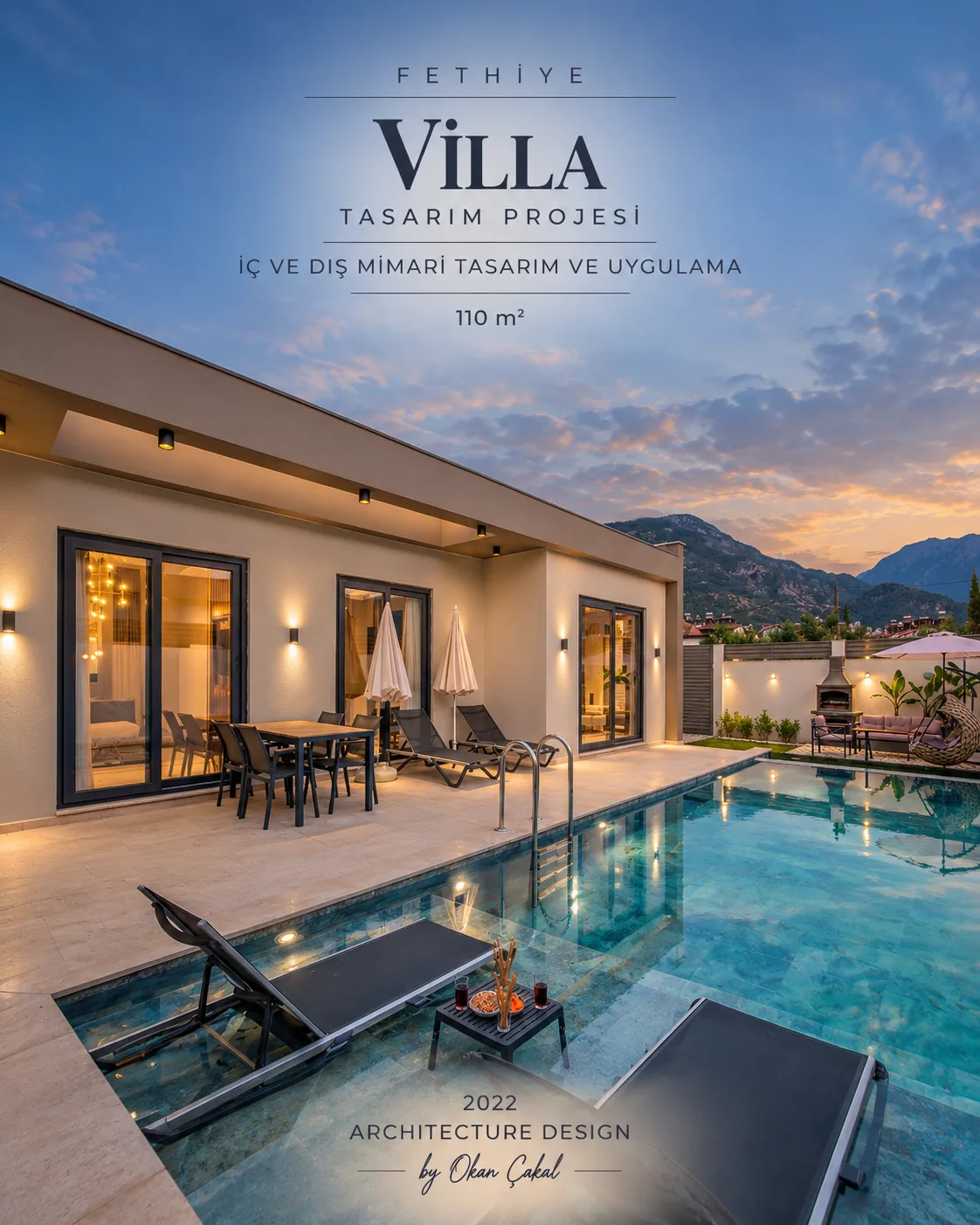
The first meeting with your architect sets the pace for everything that follows. When owners come prepared, we can clarify in one meeting what the plot allows, what the brief is and what the next step should be. Without the basics, the meeting usually ends with "let's find that out and meet again". Here is what we suggest bringing to our office or to the plot, from our experience on site. If you live abroad for part of the year, preparing these before your trip to Fethiye makes the visit far more productive.
1. Title deed and plot details
The plot's block and parcel number (ada and parsel), a copy or photo of the title deed (tapu) and its exact location on a map are the first things we need. With the block and parcel number we can check the boundaries, size and surroundings. If the plot has several owners, knowing their position early avoids surprises at the permit stage.
2. Zoning status
The zoning status (imar durumu) is issued by Fethiye Municipality and shows what can be built: building limits, height limit, setbacks. Bring it if you have it; if not, we will discuss how to obtain it using the block and parcel number. Some areas carry extra rules, such as coastal or conservation restrictions, and these need to be known before design starts.
3. Photos, video and existing drawings
Photos of the plot from different directions, a short video of the view and the state of the access road make a first meeting much more useful. If you are renovating an existing building, bring its original drawings, the occupancy certificate (iskan) if there is one, and photos of the house as it is today. In a renovation, the condition of the walls, services and structure decides what is possible.
4. Your brief
A simple list is enough: bedrooms, bathrooms, guest room, a place to work, pool, garden, parking. Will you live in the house, let it, or both? Which months will you be in Fethiye? The answers shape everything from the layout to the choice of materials, for example how hard-wearing surfaces need to be in a rental.
5. Examples you like
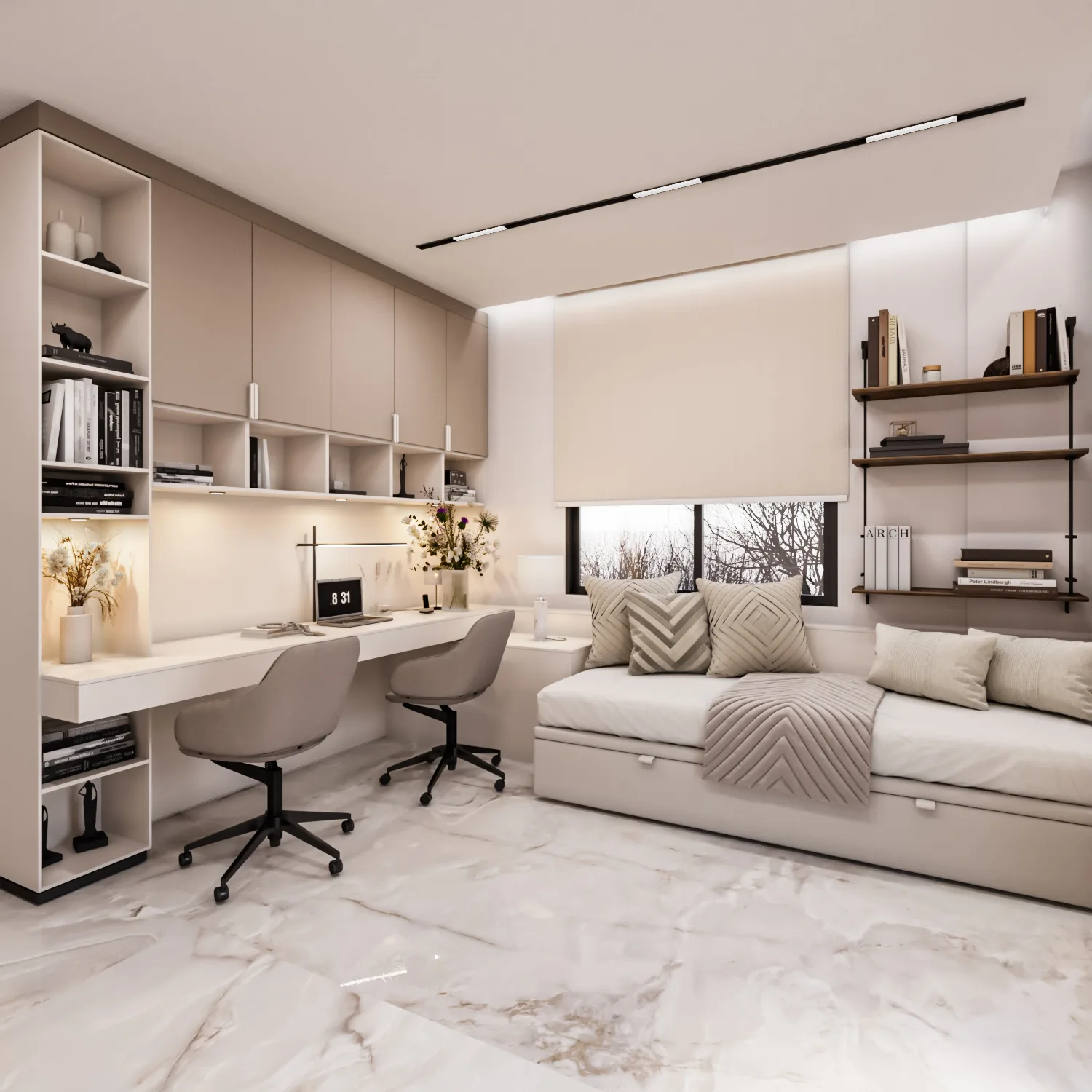
Bring photos of homes, interiors or materials you like, and note what exactly you like in each. "Not the colour of this house, but the shade on its terrace" tells us more than the photo alone. Examples you dislike are just as useful.
A good brief is worth more than the most beautiful photo.
6. Budget range and timeline
It does not need to be an exact figure, but a realistic budget range and the date the house needs to be ready let us set the limits of the design correctly from the start. A design drawn without talking about budget may later have to be cut back. When thinking about budget, include not only construction but also design fees, permits, interiors, furniture and landscaping; at the first meeting we agree which of these fall within our scope. If there is a fixed date, such as the start of the letting season or a move, mention it at the first meeting.
7. Who makes the decisions?
If spouses, partners or family members living abroad have a say, it helps if they join the first meeting or at least contribute to the brief. Agreeing early who approves the design avoids changes of direction later. If someone will sign documents on your behalf in Turkey, a power of attorney may be needed; confirm the details with a notary.
8. Services and surroundings
Whether the plot has electricity, water and sewer connections, how wide and steep the road is, the trees on the plot and the height of neighbouring buildings all affect both the design and how the site will be run. Note them if you know them; if not, we check them together at the first site visit. On sloping plots in particular, how a lorry and a concrete pump will reach the plot has a direct effect on construction cost. We cover sloping plots in our article on designing a house on a sloping plot.
What you leave the first meeting with
The first meeting is usually at our office; seeing the plot itself is often the second step, and meeting there is worth it to see the view, the sun and the neighbours in person. We review the plot and your needs together and discuss the scope. If needed, we arrange a site visit to the plot or the existing house. We then set out the scope in writing and give you an itemised quote and a design programme. The stages that follow are explained in our article on architectural design stages, and the questions to ask when choosing an architect in our guide to choosing an architect in Fethiye.
Our office in Akarca and the way we work are introduced on our architect in Fethiye page.
Frequently asked questions
I haven't bought the plot yet. Can I still meet you?
Yes. Reviewing the zoning status, slope and road access before you buy shows what can realistically be built. The candidate plot's block and parcel number is enough to start.
What do I need for a renovation meeting?
Photos of the house as it is, any original drawings and a list of what you want to change. The exact scope and price are set after an on-site survey and measurements.
How do I arrange the meeting?
Call or message us on WhatsApp to agree a time, and we will meet you at our office in Akarca, Fethiye.
If you are planning a house, villa or renovation in Fethiye, get in touch and we will arrange a first meeting.
- mimar görüşmesi
- mimari proje
- ihtiyaç programı
- villa projesi
- Fethiye
Related service
Architecture & Construction
Let's talk about your project
Your plot, your home or your renovation plan — we map out the way forward in the first meeting.
More articles

· 7 min read
Changing your mind during the build: the effect on cost and programme
Wanting changes once the walls go up is natural; what a change costs depends on the stage and on the work it undoes. Knock-on effects, substitute materials and a written change procedure, explained.
Read more →
· 5 min read
Designing an accessible, age-friendly home in Fethiye
Level access from the car, a plan you can live in on one floor, wider doors, a safe bathroom and good lighting. Planning a Fethiye home you can stay in for decades.
Read more →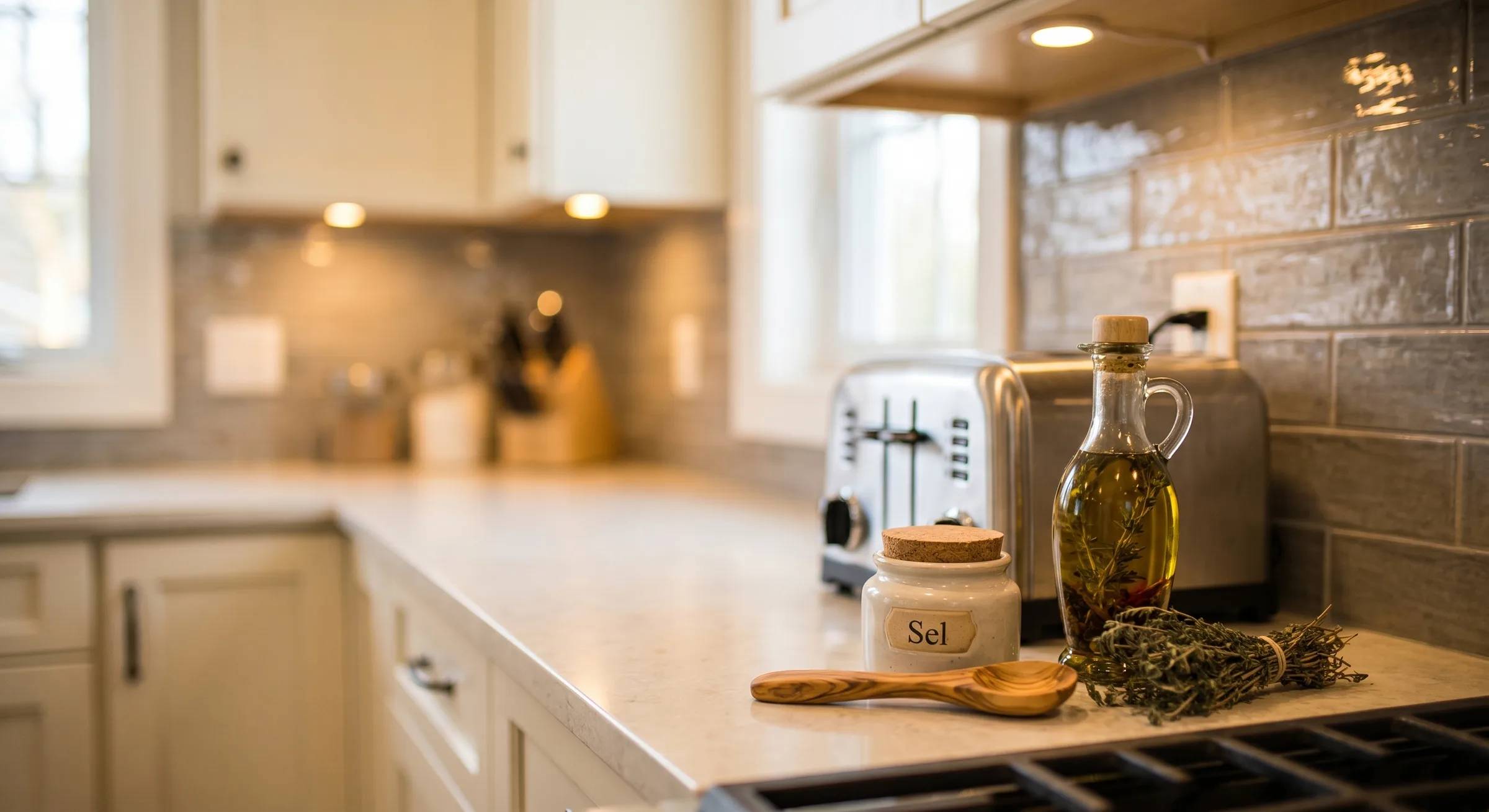
· 7 min read
Choosing a Kitchen Worktop: Natural Stone, Quartz or Compact Laminate?
Granite, marble, quartz, porcelain, compact laminate, solid surface or wood: every worktop is strong in one way and sensitive in another. How to choose for the way your kitchen is used.
Read more →