

· 7 min read
Choosing Wall Blocks in Turkey: Clay Brick, Aircrete or Pumice Block?
In a concrete-framed house in Fethiye, should the walls be clay brick, aircrete or pumice block? How the three compare on heat, sound, earthquakes, damp, services and hanging heavy loads.
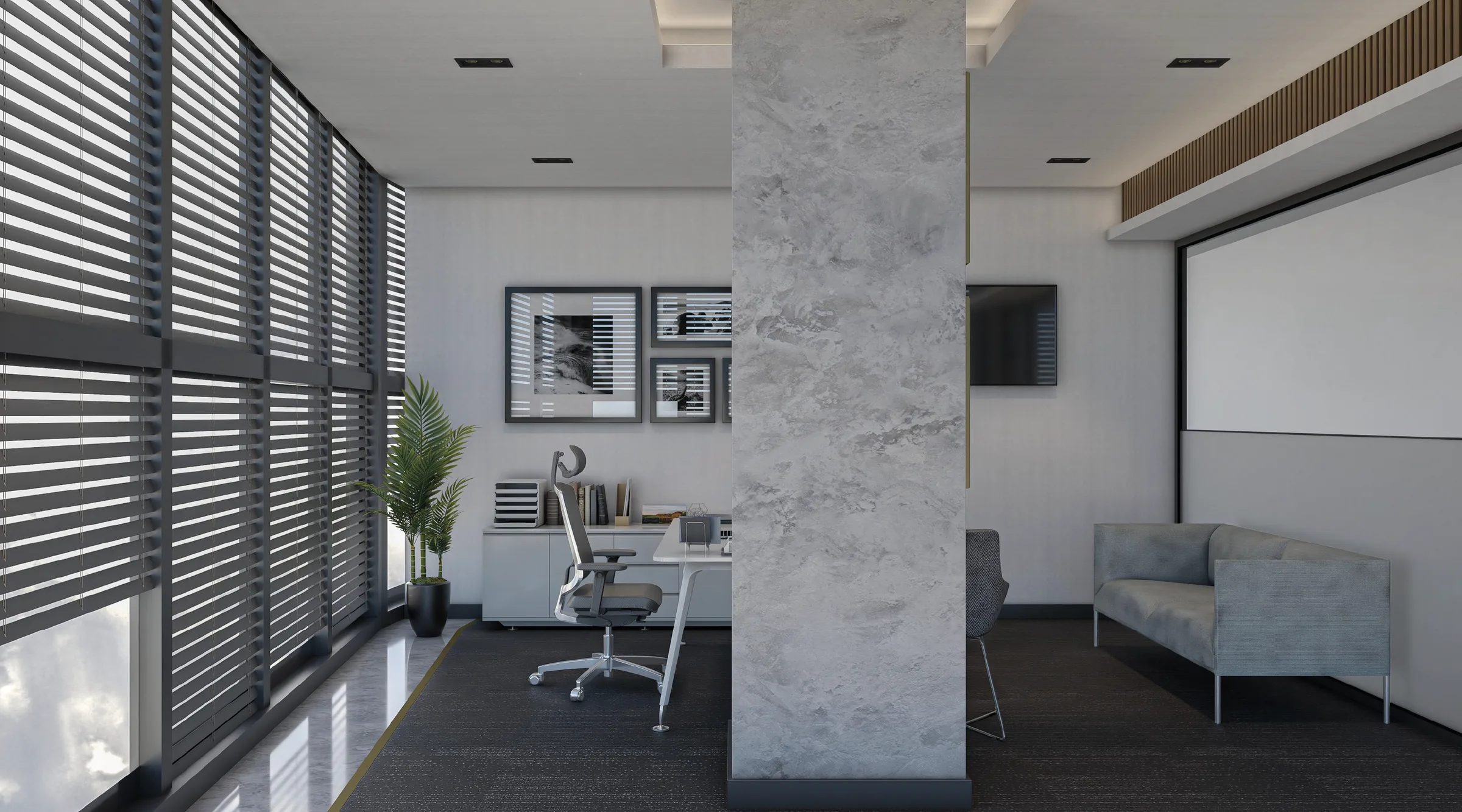
If you are building or buying off-plan in Fethiye, there comes a point when the concrete frame is up and the gaps between the columns start filling with blocks. That is when many owners realise the wall material has already been chosen, usually by local habit. Yet the same choice decides, years later, how much of the neighbours you hear, whether mould appears in the corners and how securely your kitchen units hang on the wall. Below, from our experience on site, we compare the three common infill materials in Turkey on the things owners actually notice: horizontally perforated clay brick (yatay delikli tuğla), aircrete (gazbeton, autoclaved aerated concrete) and pumice-concrete block (bims).
1. In a concrete frame the walls don't carry the house, but they still matter
If you know houses in the UK or northern Europe, where aircrete or brick walls often carry the floors above, Turkish construction works differently. In most homes here, the load is carried by a reinforced concrete frame of columns, beams, shear walls and slabs, and the masonry walls simply fill the frame. That does not mean the walls play no part in an earthquake:
- Their weight adds to the building's mass, and earthquake forces grow with mass; lighter infill reduces that load.
- Irregularities, such as one storey with far fewer walls than the others, or a band of windows leaving only part of a column enclosed, can change how the frame behaves in a quake.
- On long or tall walls, tie beams, lintels and the connection between wall and frame are specified in the drawings so the wall does not topple.
So the wall material and the positions of walls are chosen to match the structural design and are not swapped on site because "it's only infill". The structural side is covered in our article on the earthquake code and structural systems.
2. Horizontally perforated clay brick: familiar and forgiving
This fired clay brick with horizontal hollows is the most common infill in Turkey, and every builder and supplier knows it. It is laid with thick mortar joints, takes plaster well and copes reasonably with moisture. Its weak points:
- The hollow structure limits thermal insulation, and the thick mortar joints lose heat too.
- Cutting chases for pipes and cables breaks the thin inner webs and leaves large voids, which must be properly filled with mortar.
- Ordinary wall plugs grip poorly in hollow brick, so heavy items need fixings made for hollow masonry or resin anchors.
If you want exposed brick, solid facing brick or brick slips are a separate item; perforated brick is made to be plastered.
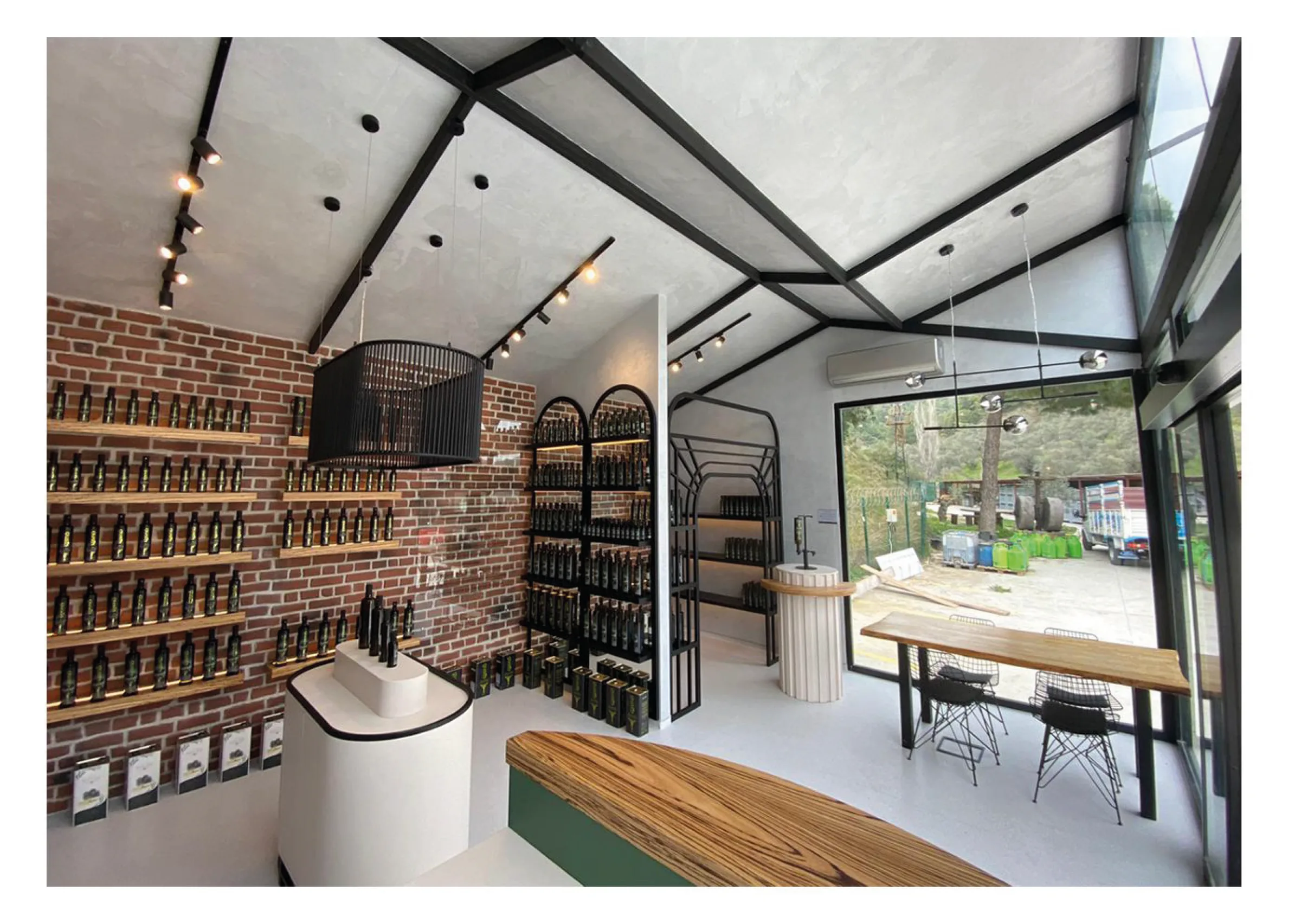
3. Aircrete (gazbeton): light and precise, but it drinks water
Aircrete is a light, cellular block with good thermal performance. Because the blocks are dimensionally accurate, they are laid with thin-joint adhesive mortar, which also reduces heat loss through the joints. It cuts with a saw, and service chases can be cut cleanly with a chasing tool. Points to know:
- It absorbs water. External walls need a primer and render system suited to aircrete, and the base of the wall at ground level needs waterproofing.
- Being light, it can struggle to stop sound on its own, so walls between bedrooms or next to neighbours need extra measures.
- Fixings designed for aircrete are used, and heavy loads such as wall cabinets, a TV or an air-conditioning unit need resin anchors or reinforcement.
- The render and mesh recommended by the block manufacturer help prevent plaster cracks.
4. Pumice block (bims): somewhere in between
Bims is made from pumice, a light volcanic stone, bound with cement. It is usually lighter than clay brick, insulates well and its rough surface holds plaster firmly; most products are heavier than aircrete, so it stops sound a little more effectively. The catch is that quality varies widely between producers, and blocks with crumbly corners and uneven sizes are on the market. Choosing certified products and checking deliveries on site is important. It needs similar care to aircrete regarding water absorption and fixings.
5. Heat and sound: the wall alone is not enough
However well an infill wall insulates, the columns, beams and slab edges remain thermal bridges. That is why most houses in Fethiye still need external wall insulation, with the thickness set by the thermal calculations; see our article on insulation and window choices. For sound, mass is what counts, and even back-to-back socket boxes on either side of a wall let noise through. A practical matching:
- External walls: heat and damp come first; aircrete or pumice block with external insulation are common choices.
- Walls between apartments and between bedrooms: sound comes first; heavier blocks, a double leaf, or an insulated plasterboard lining.
- Bathroom and kitchen walls: continuous waterproofing, whatever the block.
- New partitions in a renovation: plasterboard is light and needs no wet trades.
The wall material is chosen during the build, but it is the people living in the house who hear the result for years.
6. Damp and salt on the coast
Near the sea, salty air and high humidity can lead to salt crystallising in porous walls and plaster blistering, and walls at ground level draw moisture from the soil. The remedies are well known: waterproofing under the first course where the wall sits on the slab, a render and paint system that sheds water but lets vapour out, and retaining walls with drainage where walls are below ground. With absorbent blocks like aircrete and pumice, these details matter even more. What the coastal climate demands of materials is covered in our article on materials for Fethiye's climate.
7. Service chases and heavy loads
Chases are cut vertically; long horizontal chases weaken a wall, especially a thin one. If the positions of wall cabinets, the TV, bookshelves, a water heater and air-conditioning units are fixed in the interior drawings early, solid blocks, timber pads or a tie beam can be built into those spots as the wall goes up. It can be solved later with the right fixings, but options narrow. A concealed WC cistern usually stands on its own steel frame fixed to the floor, so the wall only carries the finish.
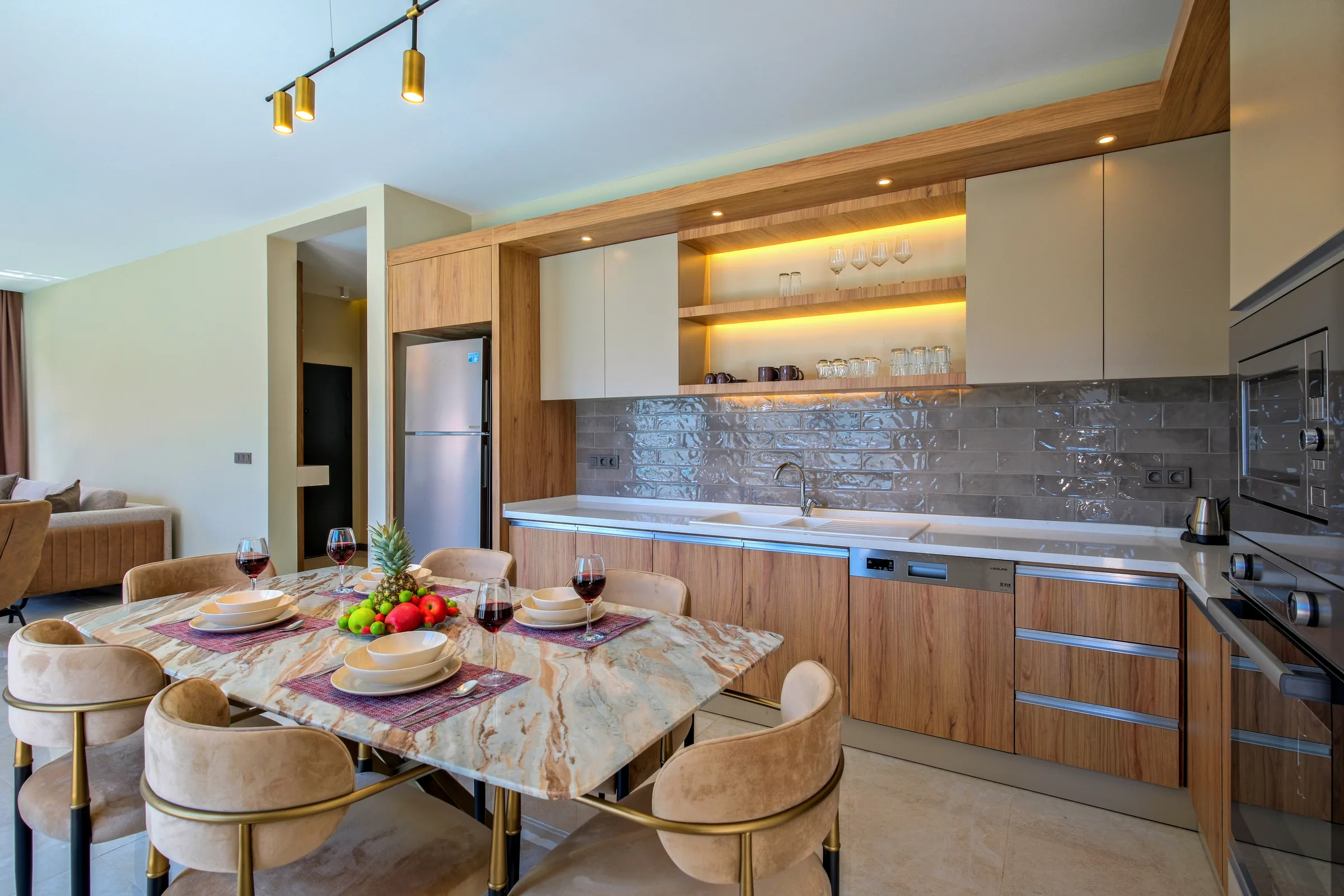
How we make material decisions together with the structural and interior design is explained on our construction in Fethiye page.
Frequently asked questions
Can I hang kitchen units or a TV on aircrete walls?
Yes, with fixings made for aircrete, or resin anchors for heavy loads. Better still, mark the load points before the walls are built so those areas can be reinforced.
Is a house with brick infill walls safe in an earthquake?
Earthquake performance depends mainly on the concrete frame, designed by a structural engineer to the Turkish Building Earthquake Code, and on how well it was built and inspected. The infill matters too, through its weight and layout, which is why it should follow the structural design.
Do aircrete walls still need external insulation in Fethiye?
In most cases, yes. Even if the blocks insulate well, the concrete columns and beams remain cold bridges where condensation and mould can start in winter; external insulation covers the whole envelope.
If you want to settle the wall and insulation choices for your house at the design stage, get in touch and we will go through the project and the plot together.
- duvar malzemesi
- gazbeton
- bims
- tuğla duvar
- Fethiye inşaat
Related service
Architecture & Construction
Let's talk about your project
Your plot, your home or your renovation plan — we map out the way forward in the first meeting.
More articles

· 7 min read
Changing your mind during the build: the effect on cost and programme
Wanting changes once the walls go up is natural; what a change costs depends on the stage and on the work it undoes. Knock-on effects, substitute materials and a written change procedure, explained.
Read more →
· 5 min read
Designing an accessible, age-friendly home in Fethiye
Level access from the car, a plan you can live in on one floor, wider doors, a safe bathroom and good lighting. Planning a Fethiye home you can stay in for decades.
Read more →
· 7 min read
Choosing a Kitchen Worktop: Natural Stone, Quartz or Compact Laminate?
Granite, marble, quartz, porcelain, compact laminate, solid surface or wood: every worktop is strong in one way and sensitive in another. How to choose for the way your kitchen is used.
Read more →