

· 5 min read
Smart home wiring: what to plan while your Fethiye house is being built
A smart home starts with infrastructure, not gadgets. Cabling, spare conduits, a network cabinet, motorised blinds, AC control and leak protection, decided before the walls close.
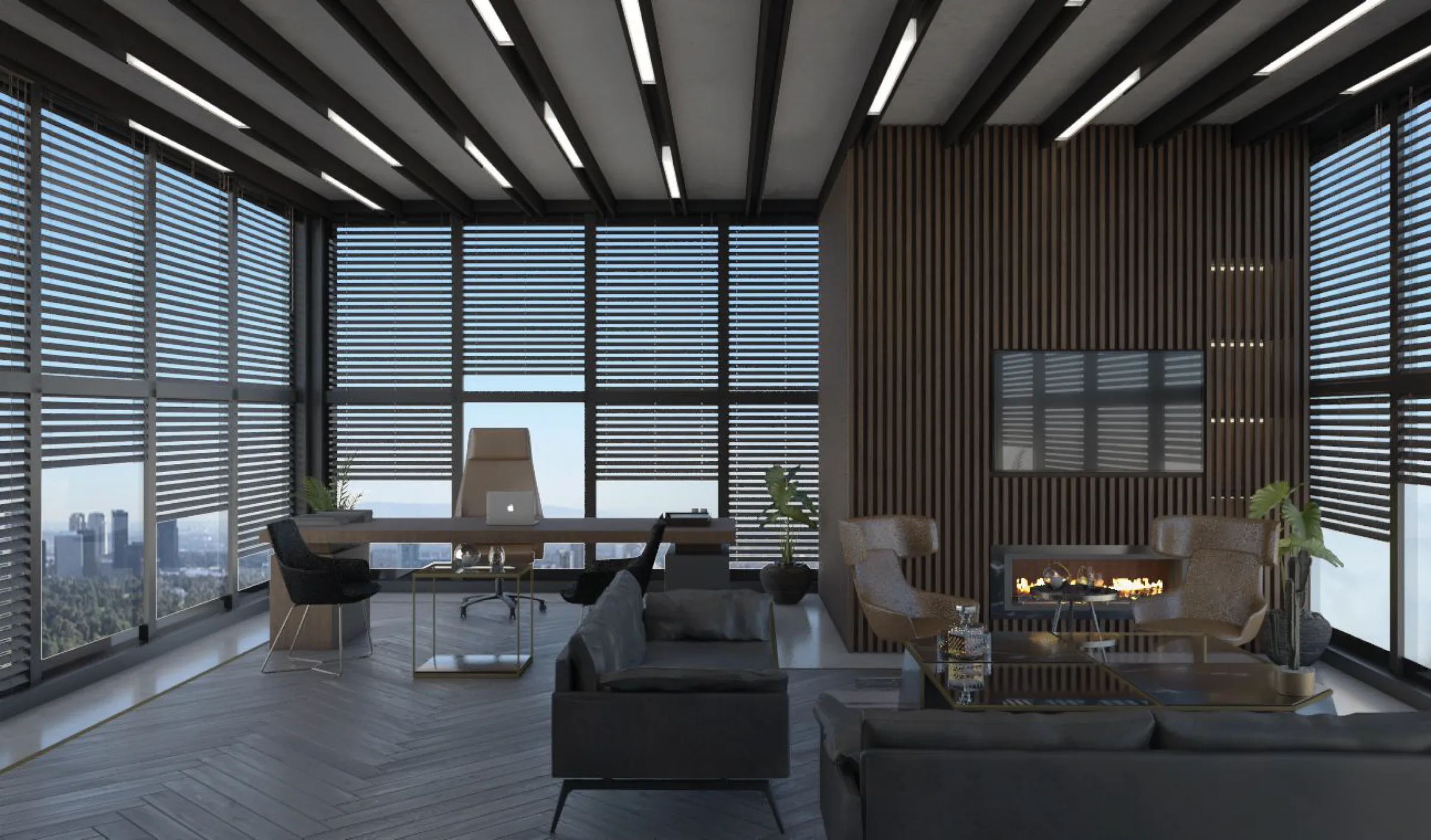
Many owners in Fethiye live in their house for only part of the year. For them, being able to check the air conditioning, the cameras or a leak sensor from abroad is not a gadget; it is peace of mind. From our experience on site, whether that works depends far less on which devices you buy than on what went into the walls before they were plastered. Devices get replaced over time; cables, conduits and back boxes stay with the building. Here is what to plan during construction or a full renovation, without brand names.
1. Start with how you will use the house
Not every home needs the same automation, so we begin with questions:
- Will you live here all year, or will the house stand closed for months at a time?
- Will it be let as a holiday villa? What guests use and what you as owner want to control are different things.
- What do you want to see and switch from abroad: AC, irrigation, cameras, the main water valve?
- Will older family members or children live here, making simple controls and safety a priority?
The answers decide how much cable goes to each room and what kind of box goes where. These decisions belong in the working drawings stage, which we explain in our article on architectural project stages.
2. The network backbone
The more wireless devices you have, the more a solid wired network matters. During construction we plan:
- A central network cabinet: router, switch, camera recorder and a backup power supply in one ventilated, reachable place, such as under the stairs or in a plant room. Not a hot roof space, not a damp basement corner.
- Wired points in rooms: at least one data point in the living room, study and on every TV wall.
- Ceiling access points: thick concrete slabs and stone walls weaken Wi-Fi badly. A wired access point on each floor, and on the terrace if needed, works far more reliably than one powerful router.
- Outdoors: weatherproof boxes and cable routes to the pool, garden and parking.
3. Small electrical details that decide everything
The most common obstacle to adding smart switches, dimmers or scenes later is a switch box with no neutral wire, or boxes that are too shallow. Neither can be fixed without opening the wall. So we run a neutral to switch positions and use deep back boxes. Lighting circuits and scenes are decided at the same time; our lighting design guide covers the layers.
Every smart feature added after the walls close means either a surface trunking or a broken patch of plaster.
4. Motorised blinds and sun control
Under Fethiye's strong summer sun, motorised blinds and shutters become more than a convenience: lowering them on sunny façades while the house is empty keeps the interior noticeably cooler when you arrive. That needs a power point and a conduit for control cable at the window head, beside the curtain pelmet or shutter box, and a pelmet deep enough for the motor and fabric, drawn at design stage.
5. Air conditioning, hot water and energy
To switch AC on before you land, or run a dehumidifying mode through a damp winter, each indoor unit needs a control cable and power planned beside it. With a central system, wall controllers get a drawn position. Spare conduits from the plant room to the roof make it easier to add a heat pump or solar system later.

6. Security, entry and water leaks
For a house that is empty for part of the year, security wiring matters. We mark camera positions, alarm sensors and the door entry panel on the drawings and run cable, or at least conduit, to each. An electronic lock needs power and cable prepared in the door frame.
The measure owners forget most, and which helps most, is leak detection. Sensors in bathrooms, the kitchen, the laundry area and near the water tank, combined with a motorised shut-off valve on the main supply, can stop a small leak in a closed winter house from becoming serious damage. For storm-related power cuts and voltage surges we also recommend a backup power supply in the network cabinet and surge protection at the board.
7. Spare conduits and records
You do not need to cable everything today, but leaving spare conduit almost always pays off. Empty conduits from the cabinet to every floor, the roof, the garden and TV walls let future technology go in without breaking walls.
At handover you should have up-to-date drawings showing where cables and conduits run, and a labelled cabinet. In a rental villa these records also help whoever maintains the house while you are away; more on rentals in our article on designing a villa for letting. In a new build, the electrical project is one of the drawings submitted for the ruhsat (building permit), so the smart home plan should be coordinated with it from the start.
How we run a build from design to handover is explained on our construction in Fethiye page.
Frequently asked questions
When should I decide on smart home infrastructure?
While the working drawings are prepared, and at the latest before the electrical first fix. After plaster and ceilings close, additions are harder and look worse.
Do I still need a wired network if everything is wireless?
Concrete slabs and stone walls weaken the signal. A wired backbone with ceiling access points makes wireless devices far more stable.
Can I control the house from abroad?
With a reliable internet connection, a wired backbone and the right preparation for AC, cameras and the water valve, yes. The infrastructure must be planned during construction.
If you are planning a new house or villa, get in touch and we will draw the infrastructure together with the project, so it goes in the right place before the walls close.
- akıllı ev
- akıllı ev altyapısı
- villa elektrik tesisatı
- ev otomasyonu
- Fethiye inşaat
Related service
Architecture & Construction
Let's talk about your project
Your plot, your home or your renovation plan — we map out the way forward in the first meeting.
More articles

· 7 min read
Changing your mind during the build: the effect on cost and programme
Wanting changes once the walls go up is natural; what a change costs depends on the stage and on the work it undoes. Knock-on effects, substitute materials and a written change procedure, explained.
Read more →
· 5 min read
Designing an accessible, age-friendly home in Fethiye
Level access from the car, a plan you can live in on one floor, wider doors, a safe bathroom and good lighting. Planning a Fethiye home you can stay in for decades.
Read more →
· 7 min read
Choosing a Kitchen Worktop: Natural Stone, Quartz or Compact Laminate?
Granite, marble, quartz, porcelain, compact laminate, solid surface or wood: every worktop is strong in one way and sensitive in another. How to choose for the way your kitchen is used.
Read more →