

· 5 min read
Commercial renovation in Fethiye: refitting a shop, office or clinic
Renovating a shop, café, office or clinic in Fethiye without losing the season: phasing, workshop-made joinery, dust control and the permits to check first.
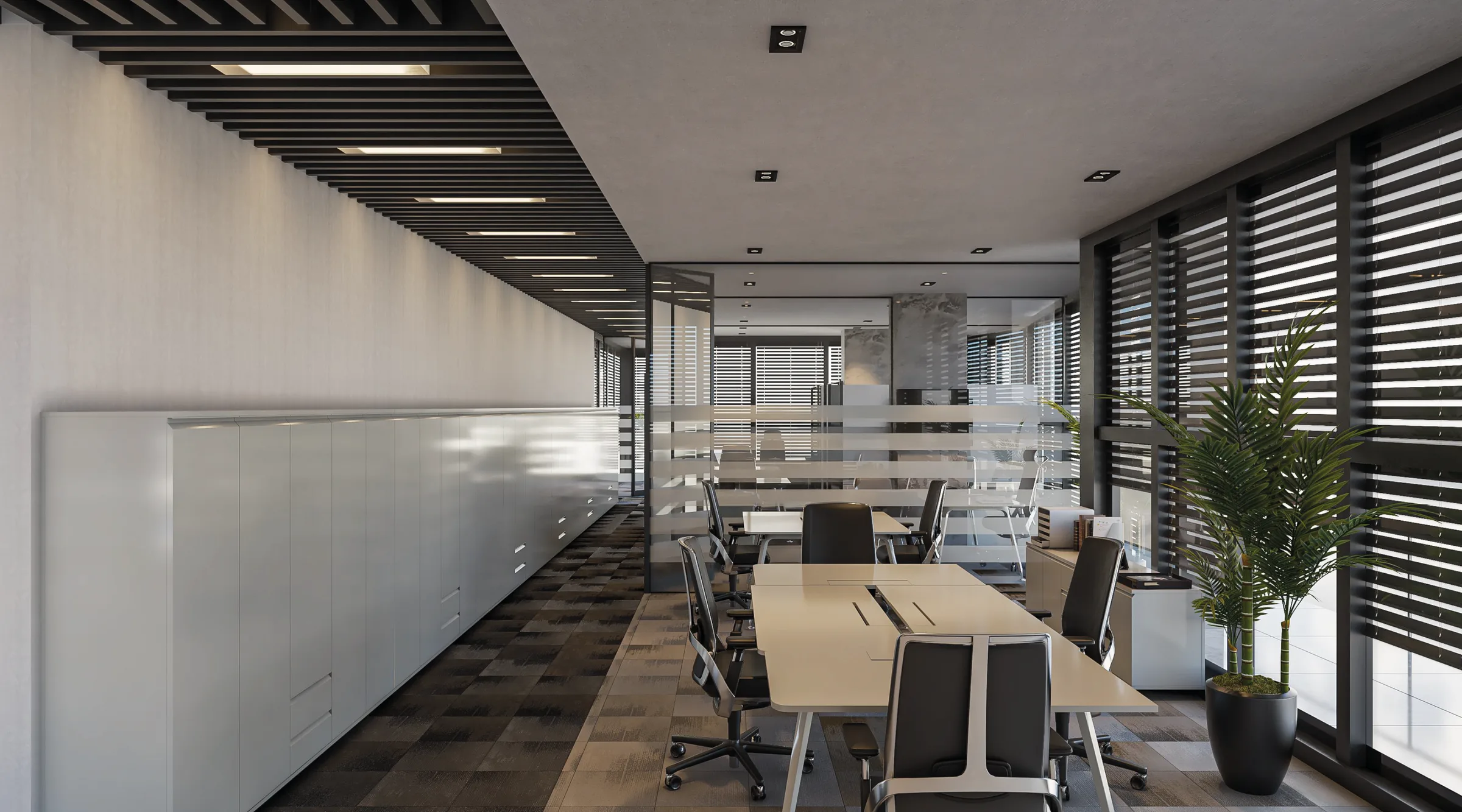
If you run a business in Fethiye, whether a shop in Hisarönü, a café on the Çalış promenade, a holiday rental office in Ölüdeniz or a practice in town, the hardest part of a refit is rarely choosing finishes. It is deciding how long you can afford to be closed, and when. From our experience on site, a commercial renovation succeeds or fails on its programme long before the first wall comes down. Here is how we plan one so the business keeps working for as much of the time as possible.
1. Start with how the business actually runs
Before we draw anything, we learn the rhythm of the place:
- Which hours, days and months are busy, and which are quiet?
- What cannot close even for a day: the till, stock storage, a sterilisation room, the network cabinet?
- Where do staff, customers and deliveries come in?
- If you depend on tourism, when does your season really start?
Many owners in Fethiye split their year between Turkey and home. If that is you, the timing matters twice: the work should finish before you open, and the key decisions should be made while you are still here, so that nothing waits on you from abroad.
2. Find the hidden problems at the survey
In commercial premises most surprises sit above the ceiling or behind a wall. At the on-site survey we measure the space, but we also check the electrical board, air-conditioning lines, data and camera cabling, water supply and drainage. Discovering halfway through that an old shop's board cannot carry new equipment can wreck the whole timetable.
Near the sea, salt air corrodes hinges, fixings and outdoor AC units. Listing what needs replacing now avoids a second closure next year.
3. Work zone by zone
The main tool for keeping a business open is splitting the premises into zones and working through them in turn. In an office, meeting rooms and private offices can go first, then the open-plan area. In a clinic, a couple of treatment rooms at a time. In a shop, part of the sales floor can be screened off while you keep trading in the rest.
Each phase goes into a written schedule: which zone closes when, which jobs move to evenings or weekends, and when power or water will be cut. Noisy demolition usually goes into closed hours, and the building management's working-hour rules are written in too.
The customer should never notice a good refit; all they should notice is the new space.
4. Build in the workshop, install on site
One effective way to shorten closure is to do as much as possible before the site work starts. Counters, shelving, display units and reception desks are measured, then built in the workshop, so that on site only installation remains. Because we carry out demolition, services, flooring, bespoke joinery and installation with our own team under the architect's supervision, the sequence is set by one hand.
Materials are ordered before demolition too. A business standing empty while waiting for a light fitting or a special tile is the most common avoidable loss we see.
5. Dust, noise and safety
If you stay open, the work area must be clearly separated: dust-tight temporary partitions, a separate route for materials, shared areas cleaned every day. In clinics this is even more sensitive, and the movement of air and people between hygienic rooms and the site is planned in advance. Fire exits stay clear throughout, extinguishers stay where staff expect them, and signs keep customers out of the work zone.
6. Permits and building rules
Interior works that do not touch the structure or the façade generally do not need a building permit. Signage, shopfronts, façade changes, a change of use, or businesses such as clinics that need their own approvals can be different. Requirements vary with the municipality and the type of business, so confirm what applies to you with the municipality and the relevant authority, and with your lawyer or accountant on licensing. In a complex or business centre, written consent from the management is often needed as well.
7. Notes by type of business
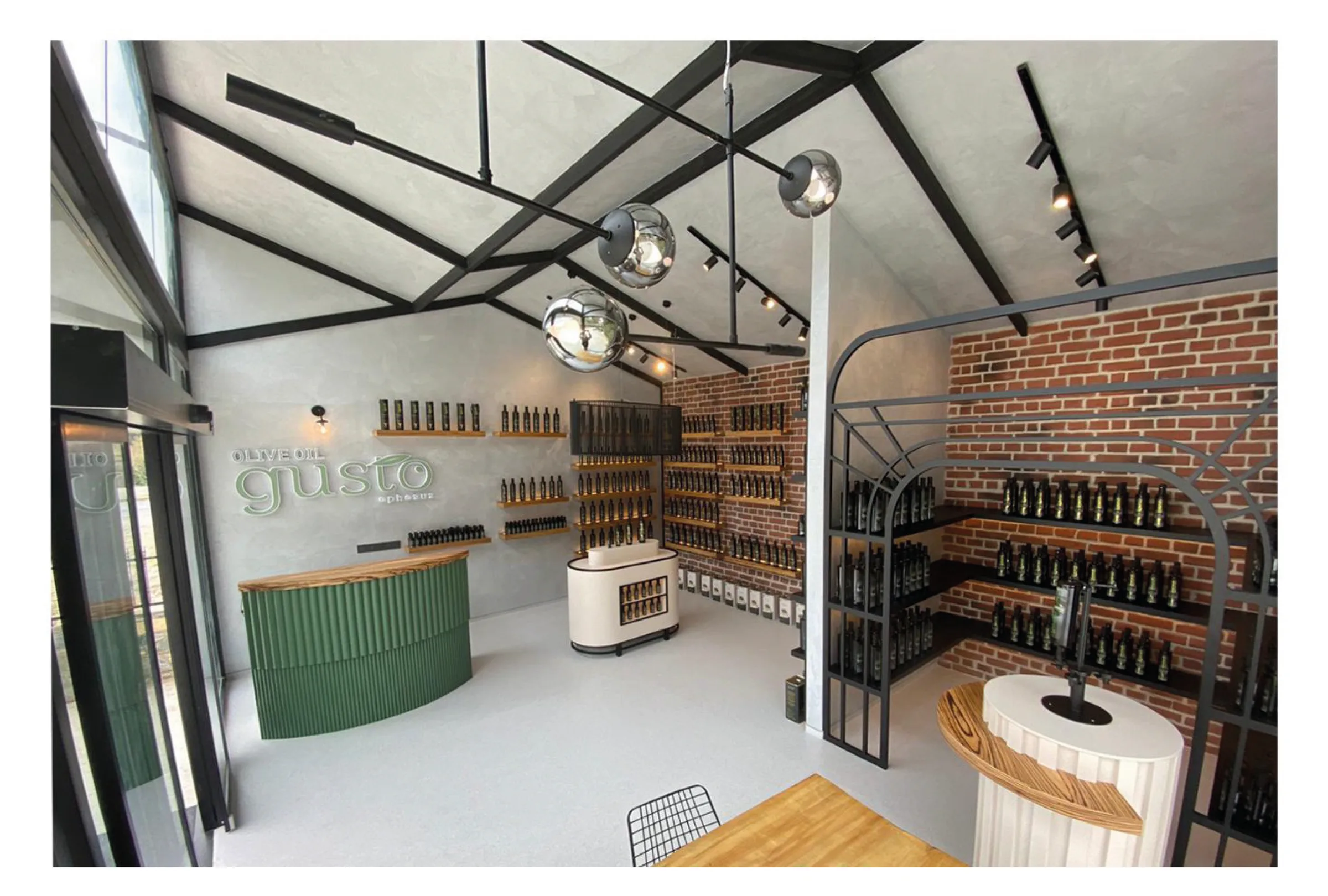
- Shops: display, lighting and the till layout are the sales tool. We describe how we set these out in a small space in our Gusto Ephesus shop article.
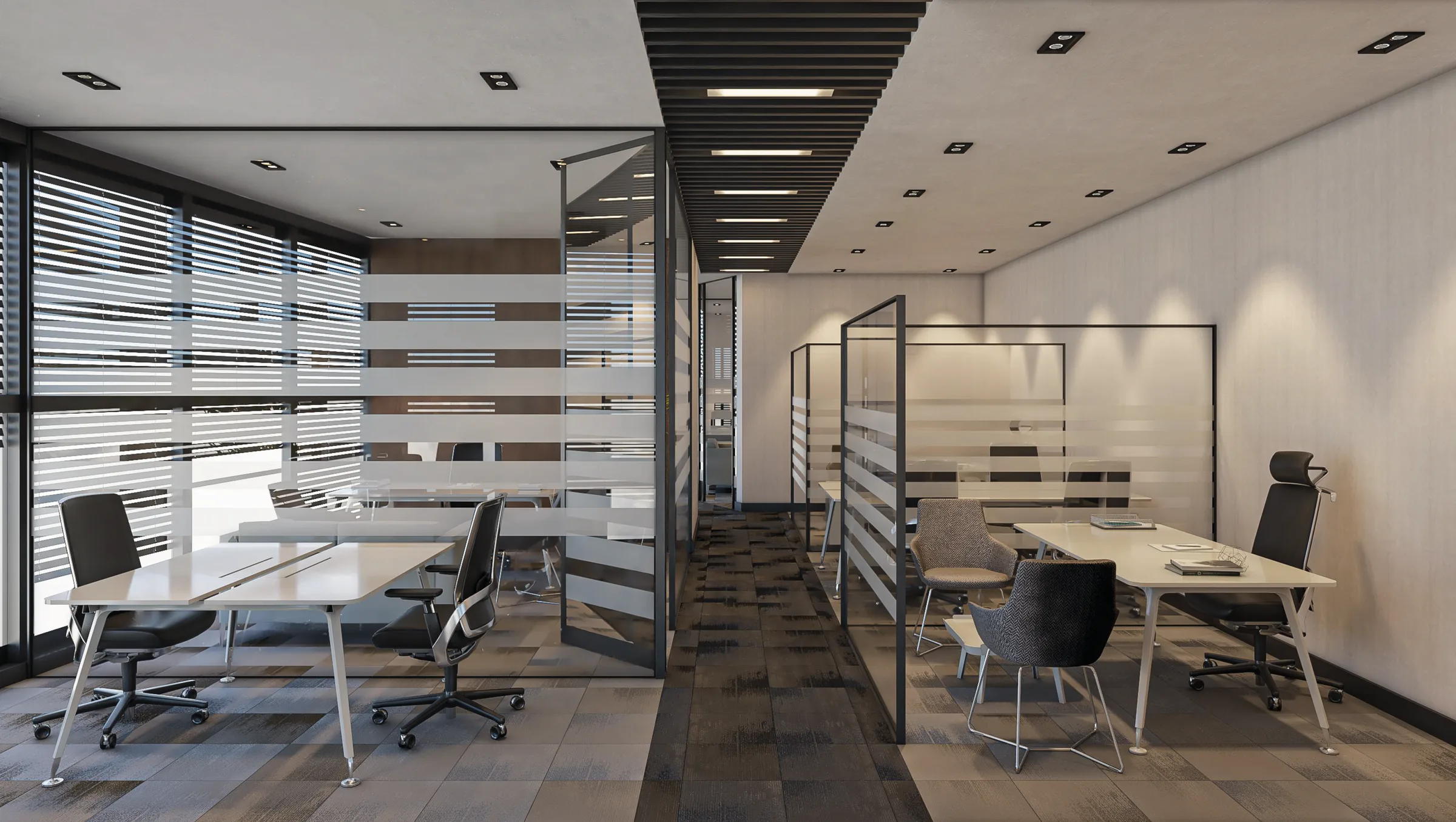
- Offices: acoustics, cabling and meeting rooms come first; see our lessons from a 950 m² project in the Ankara office article.
- Clinics: hygienic surfaces, equipment services and separate clean and dirty routes, covered in our Dent Etiler clinic article.
- Tourism businesses: surfaces must survive heavy summer use and damp, closed winters, and handover must come before opening day.
How we run a renovation from survey to handover is set out on our renovation in Fethiye page.
Frequently asked questions
Do I have to close completely during the refit?
Not always. With zones, phases and noisy work moved to closed hours, many businesses can stay partly open. Some jobs may need a short closure, and you will see it in the schedule in advance.
I am abroad for part of the year. Can the work happen while I am away?
Yes, provided the decisions come first. We agree the scope, materials and 3D design in writing before you leave, and payments are tied to stages in the contract, with one person responsible for both design and site.
How long will it take?
It depends on the scope, the size of the premises and whether you stay open. The written schedule we prepare after the survey sets it out.
If you are planning to refit a shop, office or clinic in Fethiye, get in touch and we will survey the premises and build a schedule around the way your business works.
- işyeri tadilatı
- mağaza yenileme
- ofis tadilatı
- klinik yenileme
- Fethiye tadilat
Related service
Renovation
Let's talk about your project
Your plot, your home or your renovation plan — we map out the way forward in the first meeting.
More articles
· 7 min read
Changing your mind during the build: the effect on cost and programme
Wanting changes once the walls go up is natural; what a change costs depends on the stage and on the work it undoes. Knock-on effects, substitute materials and a written change procedure, explained.
Read more →
· 5 min read
Designing an accessible, age-friendly home in Fethiye
Level access from the car, a plan you can live in on one floor, wider doors, a safe bathroom and good lighting. Planning a Fethiye home you can stay in for decades.
Read more →
· 7 min read
Choosing a Kitchen Worktop: Natural Stone, Quartz or Compact Laminate?
Granite, marble, quartz, porcelain, compact laminate, solid surface or wood: every worktop is strong in one way and sensitive in another. How to choose for the way your kitchen is used.
Read more →