

· 6 min read
Home lighting design guide: layers, warm white and room-by-room tips
Good lighting is more than a ceiling light in every room. Layered lighting, colour temperature, hidden LED, dimming and room-by-room advice for homes in Fethiye.
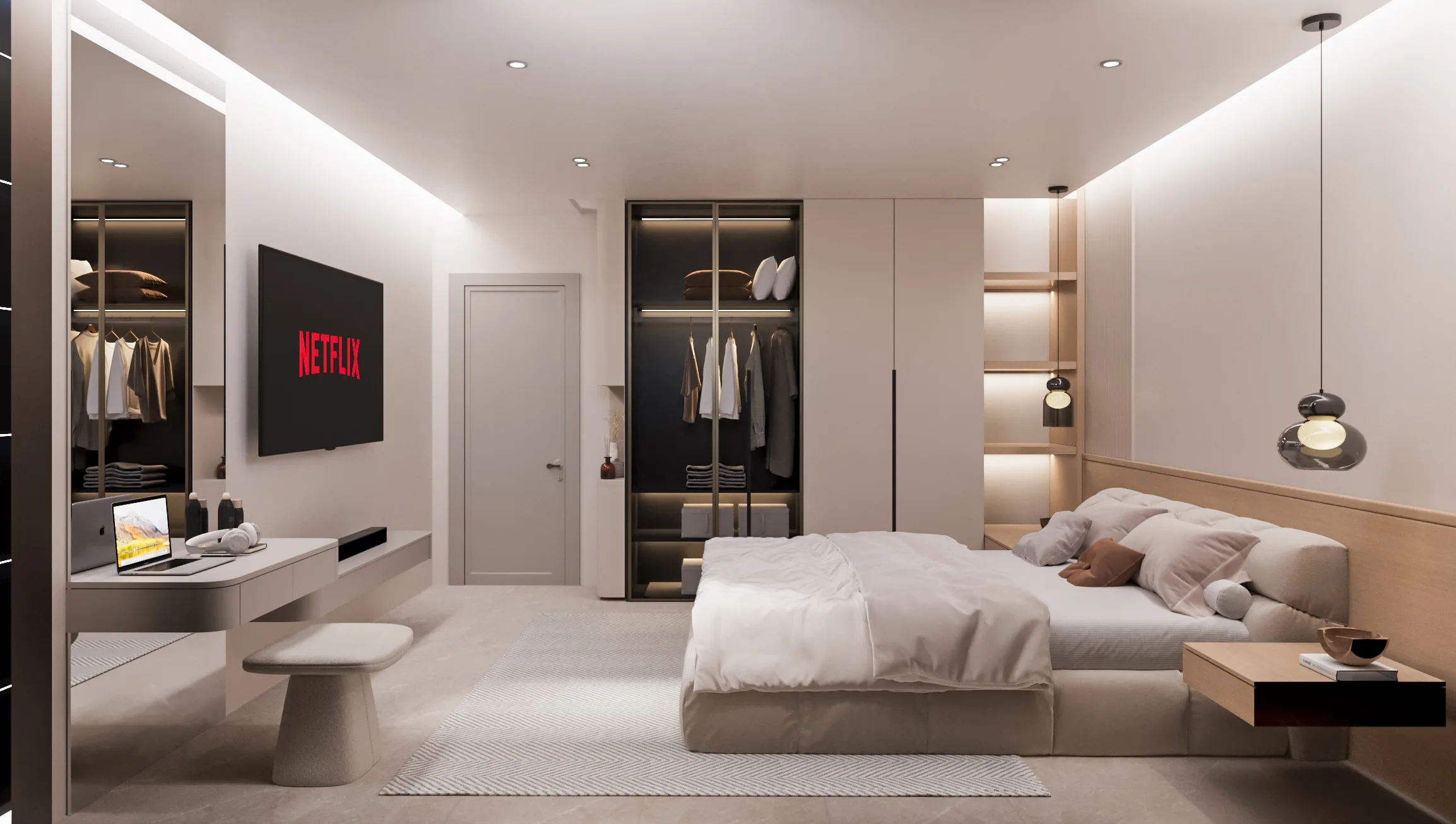
Lighting shapes how a room feels more than almost anything else, yet in many renovations it is decided at the very end, when the electrician asks where to put a few spotlights. By then the walls are plastered and the options are limited. Whether you are renovating a villa in Ovacık or fitting out a new apartment in Çalış, from our experience on site the lighting needs to be planned before the walls are closed. This guide explains how we approach it.
1. Layered lighting: one fitting is never enough
A single pendant in the middle of the ceiling, or a neat grid of downlights, will light a room, but the result is flat and tiring. Good lighting design combines several layers:
- General (ambient) lighting: the base light that lets you move around and use the room comfortably
- Task lighting: focused on the surface where something is done: kitchen worktop, desk, mirror, reading chair
- Accent lighting: picks out a wall, a texture, a painting or a niche, and gives the room depth
- Decorative lighting: pendants, wall lights and floor lamps that are design objects in their own right
Being able to switch these layers separately lets the same room work for a busy morning, a quiet evening or a dinner with friends.
2. Colour temperature: warm white or daylight?
The terms on the packaging, "warm white", "neutral white" and "cool white" or "daylight", describe the colour of the light. Warm white is slightly golden and relaxing; it suits living rooms and bedrooms. Neutral white is crisper and works where you need to see detail: the kitchen worktop, the bathroom mirror, a home office. Very cool, bluish light usually makes a home feel like a clinic or a shop.
Just as important is consistency. If one spotlight glows yellow and the LED strip beside it is bluish white, the room looks patchy. That is why we prepare a lighting schedule that specifies each fitting and lamp. Colour rendering matters too: in the kitchen and bathroom, good colour rendering shows food, skin and materials in their natural colours.
3. Hidden and linear LED
Hidden lighting lights a surface without showing the source: a cove in a dropped ceiling washing light across the ceiling, a strip under the kitchen wall cabinets, a glow behind the headboard, a line under each stair tread. Done well, it gives soft, glare-free light that makes a room feel larger.
Linear LED fittings, slim lines of light recessed into ceilings or walls, give a clean, ordered look, especially in offices and modern interiors. In our Ankara office project we used linear LED and hidden lighting together with anthracite and concrete-textured surfaces, natural wood panelling and brass details.
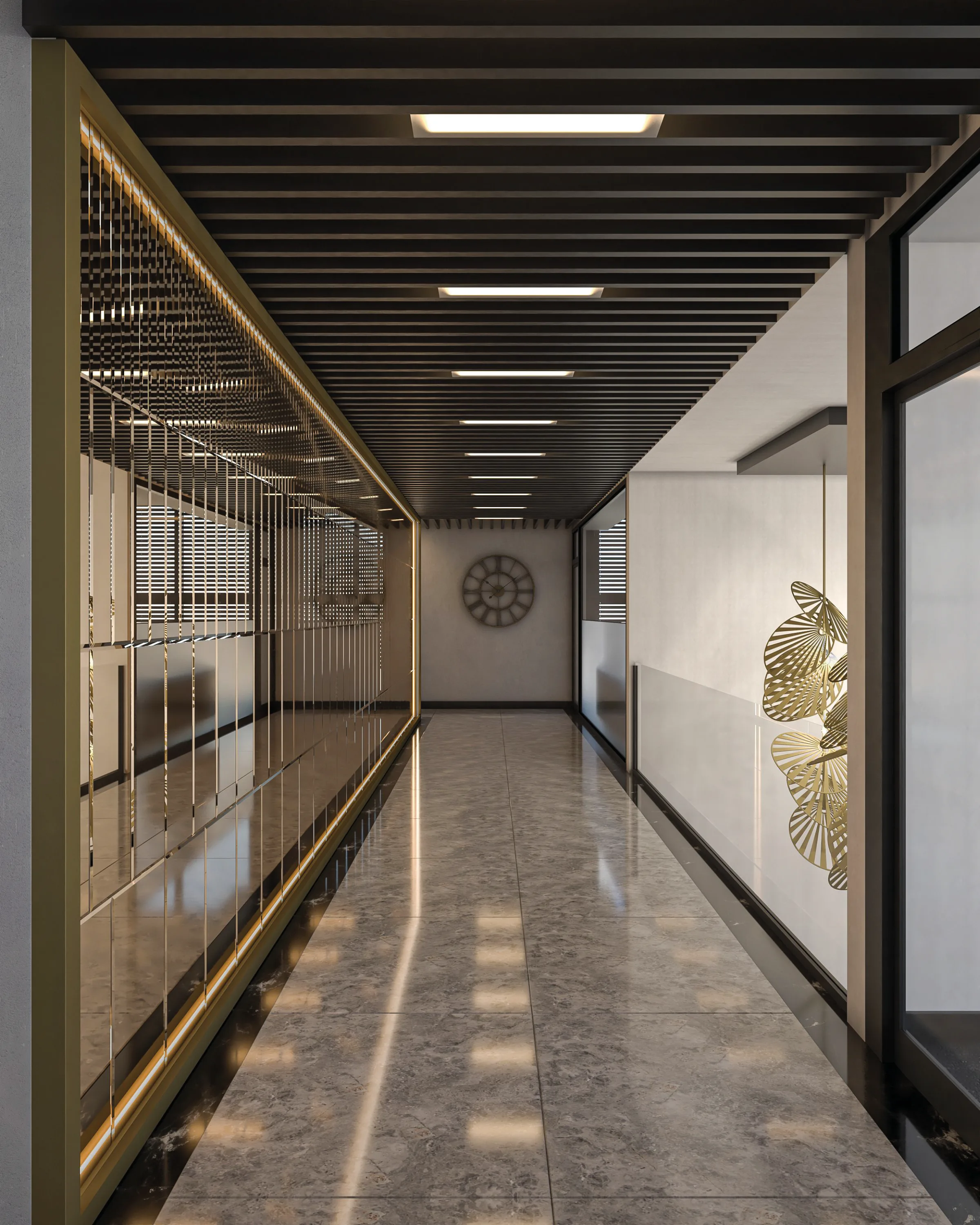
With hidden lighting, the detail is everything. Visible strips, individual dots of light, or blotchy patches on the wall look worse than no hidden lighting at all. Leave access panels so the LED drivers can be reached for maintenance later.
4. Dimming and scenes
Being able to dim the light changes how you use a space: a low, warm living room for dinner, full brightness for cleaning, a gentle guide light in the hallway at night, all from the same fittings. With a smart home system you can save combinations of layers as "scenes" on a single button, but the wiring has to be planned for this from the start. For a villa that is let to holiday guests, we suggest keeping controls simple and clearly labelled; guests should not need instructions to turn the lights on.
Plan the light before the walls are closed; everything after that is a compromise.
5. Plan the electrical points early
The decisive moment in lighting design is the day the electrical wiring goes in. If nobody knows by then which wall gets a wall light, which worktop gets a strip, or which painting gets a spotlight, you end up chasing new channels in finished walls or living with visible cables. Furniture layout matters for the same reason: bedside lights and a pendant over the dining table can only go in the right place once the bed and table positions are fixed.
In our working drawings we show lighting and socket positions with measurements, and our own team installs them on site. 3D visuals help you judge how the light will look before anything is built.
6. Room-by-room tips
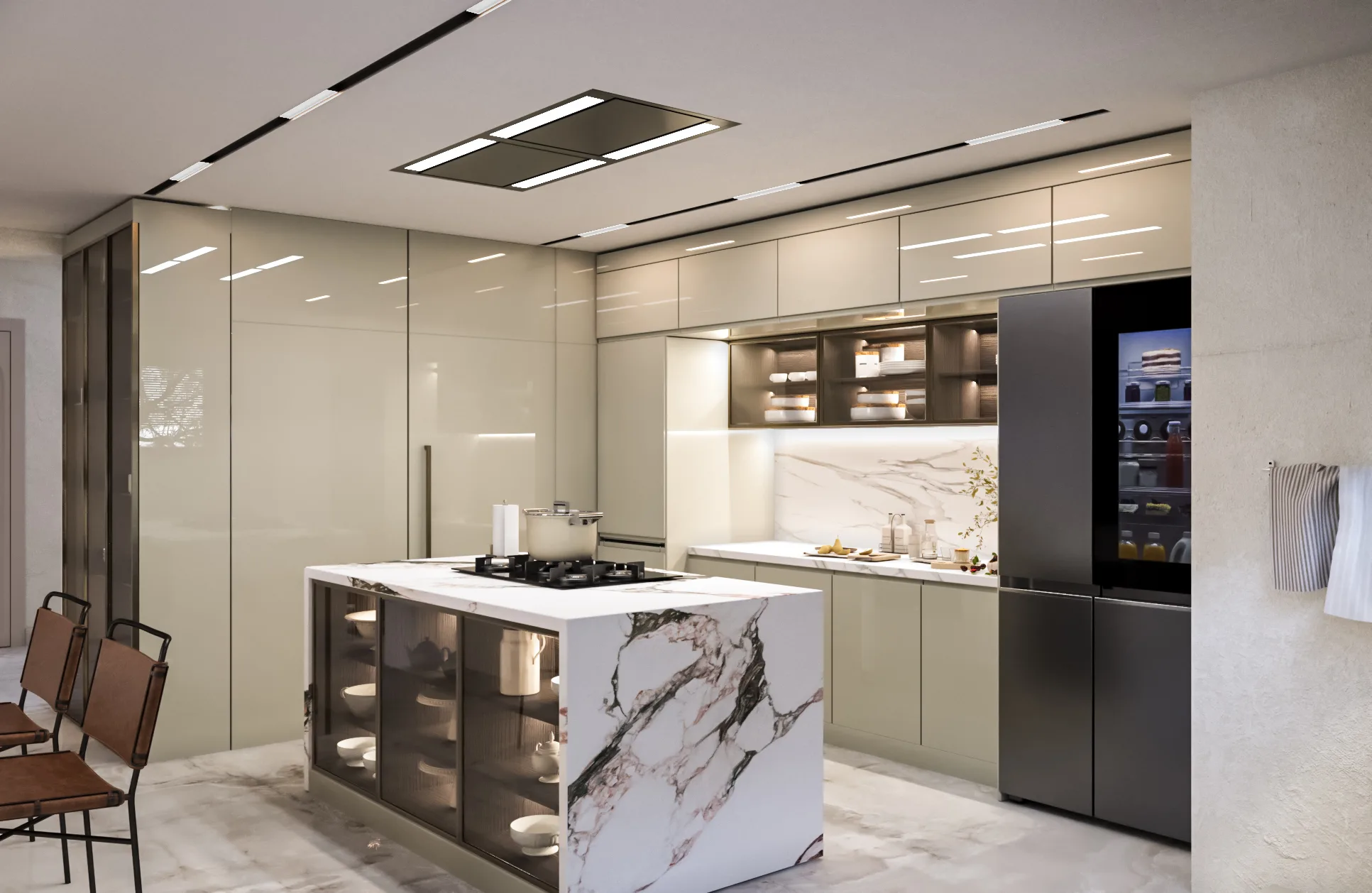
- Kitchen: shadow-free light on the worktop (a strip under the wall cabinets is a practical choice), pendants over the island or dining table, and general ceiling light
- Bathroom: light the face from the front or sides at the mirror; a single downlight overhead casts shadows. Fittings in wet zones must be rated for moisture
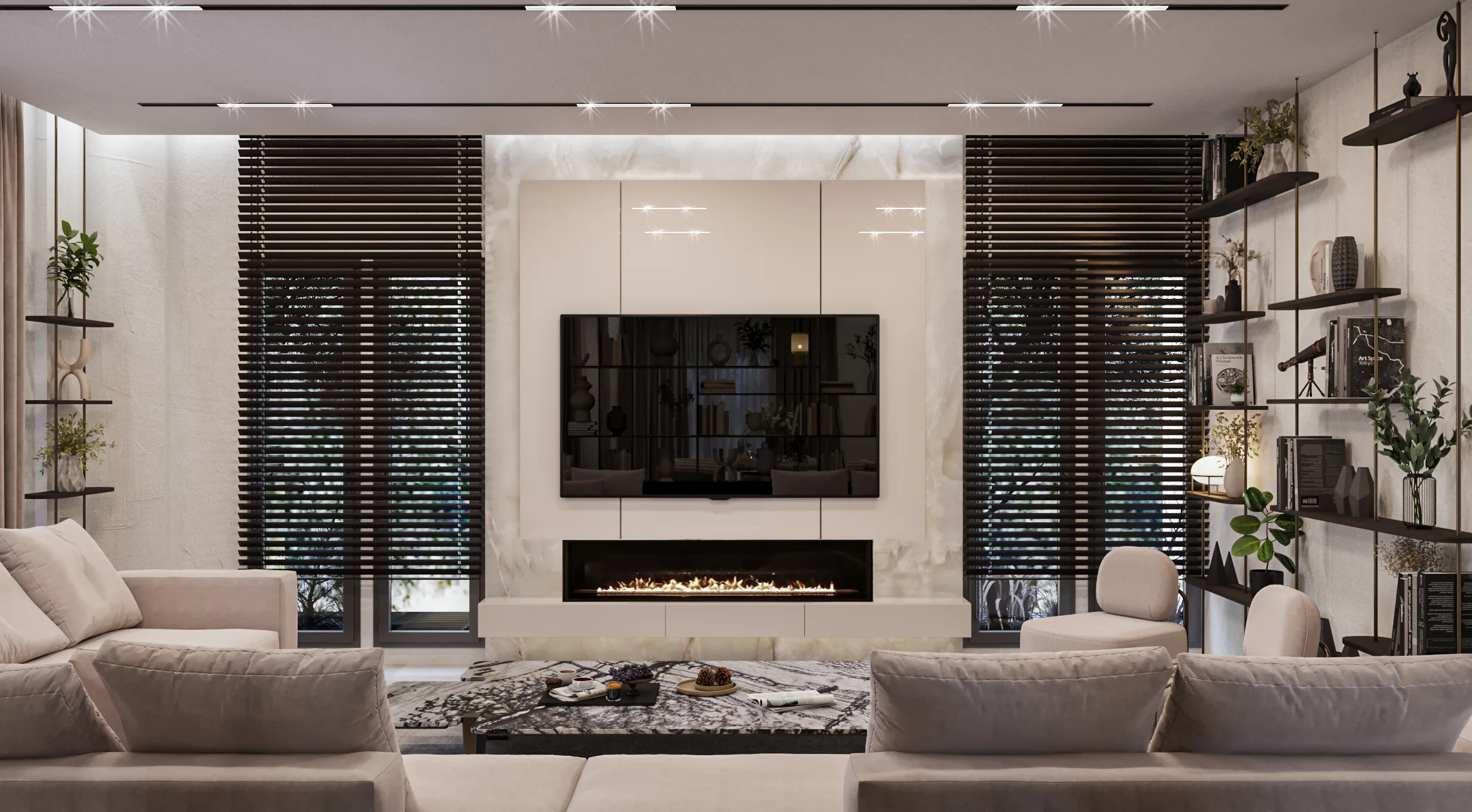
- Living room: keep general light soft and build layers with floor lamps, wall lights and accents; dimmers earn their place here
- Bedroom: warm, low general light, reading lights at the bed, and a low-level night light that will not dazzle you
- Outdoors: soft, downward light on terraces and around the pool, with accents on trees and walls. Outdoor fittings in Fethiye must cope with humidity and salty sea air, and light should not spill into neighbours' gardens or the night sky
Our interior designer in Fethiye page describes how we design lighting, materials and furniture as one.
Frequently asked questions
What colour of light should I use at home?
We generally use warm white in living rooms and bedrooms, and neutral white for kitchen worktops, bathroom mirrors and work areas. The key is not to mix different colours of light in the same space.
Can hidden lighting be added to an existing home?
Often yes, through a dropped ceiling, under-cabinet strips or lighting built into furniture. Because it needs power and space for drivers, it is cleanest to plan it as part of a renovation.
When should lighting be designed?
Before the electrical wiring is installed, once the furniture layout is settled. Changes later may mean opening walls or accepting visible cables.
Which outdoor lights suit a villa by the sea?
Choose fittings rated for outdoor use and resistant to corrosion, since humidity and salt air are hard on cheaper products. Low, shielded fittings keep the garden pleasant without lighting up the whole hillside.
If you would like to plan the lighting of your home or villa with us, get in touch. You can read more on our Interior Design page.
- aydınlatma tasarımı
- gizli LED
- iç mimari
- ev aydınlatması
- Fethiye
Related service
Interior Design
Let's talk about your project
Your plot, your home or your renovation plan — we map out the way forward in the first meeting.
More articles

· 7 min read
Changing your mind during the build: the effect on cost and programme
Wanting changes once the walls go up is natural; what a change costs depends on the stage and on the work it undoes. Knock-on effects, substitute materials and a written change procedure, explained.
Read more →
· 5 min read
Designing an accessible, age-friendly home in Fethiye
Level access from the car, a plan you can live in on one floor, wider doors, a safe bathroom and good lighting. Planning a Fethiye home you can stay in for decades.
Read more →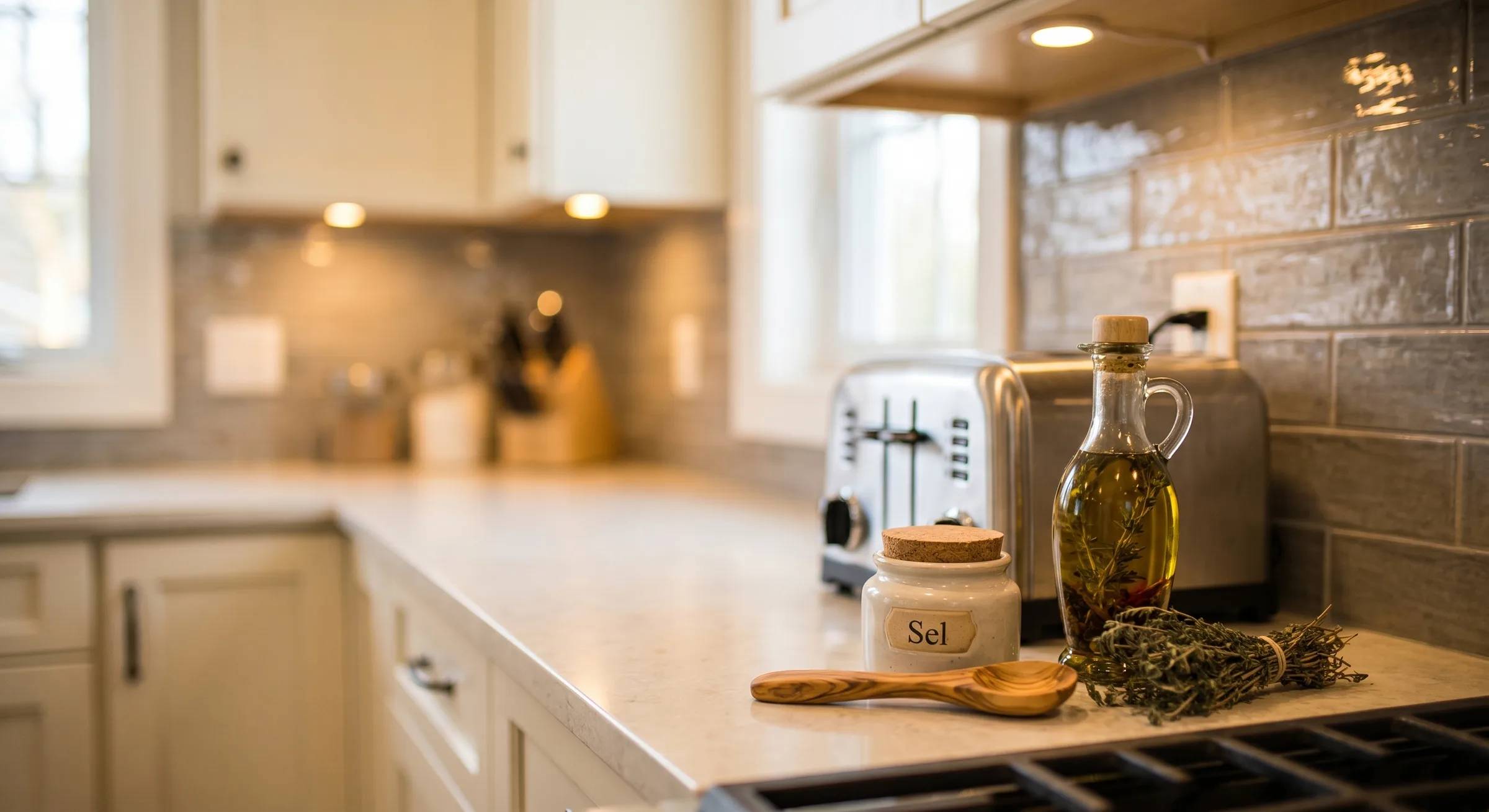
· 7 min read
Choosing a Kitchen Worktop: Natural Stone, Quartz or Compact Laminate?
Granite, marble, quartz, porcelain, compact laminate, solid surface or wood: every worktop is strong in one way and sensitive in another. How to choose for the way your kitchen is used.
Read more →